
Common Causes of Damage in Commercial Stamped Concrete Surfaces
People seeking commercial stamped concrete repair aim to fix surface damage caused by weather, heavy traffic, or improper installation, and local service providers can help restore and protect their surfaces.
Understanding the common causes of damage in commercial stamped concrete surfaces is essential for property owners looking to protect their investment and maintain a professional appearance. Factors such as improper installation, exposure to harsh weather conditions, and heavy traffic can all contribute to surface deterioration over time. Recognizing these issues early can help prevent costly repairs and extend the lifespan of the stamped concrete. Local contractors experienced in commercial stamped concrete repair are equipped to assess damage caused by these common issues and recommend effective solutions to restore the surface’s integrity and aesthetic appeal.
For property owners in the area, exploring the causes of damage in commercial stamped concrete surfaces offers practical benefits, especially if the surface shows signs of wear or cracking. Damage often results from environmental stressors or inadequate surface preparation, which can compromise safety and functionality. Connecting with local service providers who specialize in stamped concrete repair ensures that damaged areas are addressed promptly and properly. These professionals can help maintain the durability and visual appeal of stamped concrete, providing peace of mind for property owners seeking long-lasting results.
- Cracking and Spalling - when concrete experiences freeze-thaw cycles or heavy loads, local contractors can perform repairs to restore integrity.
- Surface Spalling or Flaking - caused by improper installation or exposure to de-icing salts, service providers can address surface damage through specialized repair techniques.
- Discoloration and Staining - often resulting from chemical spills or UV exposure, local pros can provide cleaning and resurfacing to improve appearance.
- Uneven or Sunken Areas - due to soil movement or improper base preparation, experienced contractors can level and reinforce the surface for durability.
- Cracks from Heavy Traffic - frequent vehicle or foot traffic can lead to stress cracks, which local service providers can repair to extend the lifespan of stamped concrete.
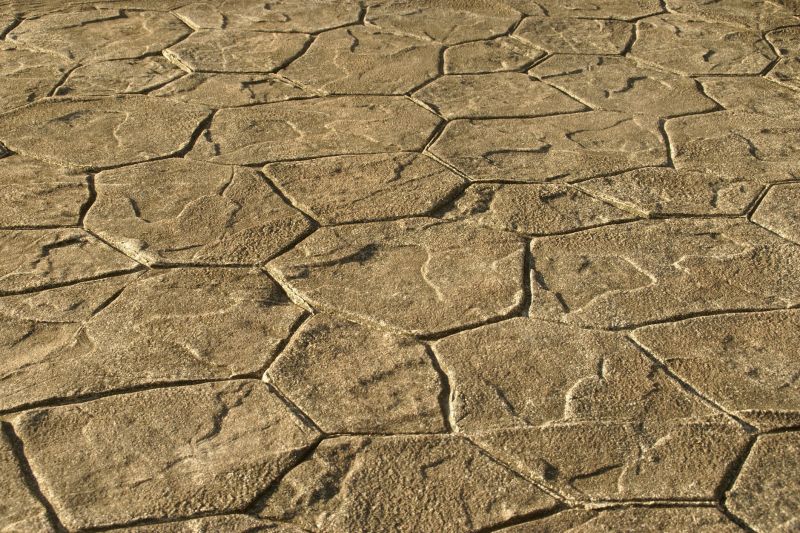
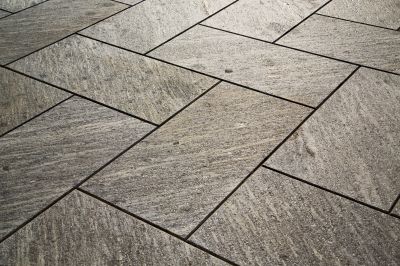
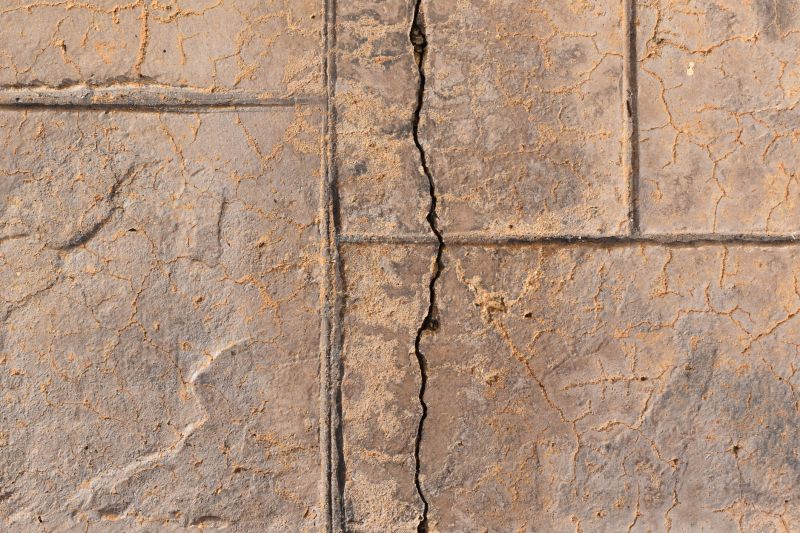
Understanding the common causes of damage in commercial stamped concrete surfaces is essential for property owners and managers looking to maintain the appearance and functionality of their outdoor spaces. When searching this topic, most people are interested in identifying why their stamped concrete might be cracking, chipping, or deteriorating prematurely. These issues often relate to the underlying quality of the installation, the materials used, or exposure to environmental factors. Recognizing these causes helps property owners plan effective repairs and prevent further damage, making it a key aspect of maintaining commercial properties such as retail centers, office complexes, or industrial parks.
The problems associated with damaged stamped concrete typically involve surface cracks, uneven settling, surface scaling, and discoloration. Cracks may develop due to improper curing or excessive load stress, while surface scaling can result from poor surface finishing or exposure to harsh weather conditions. Uneven settling often indicates foundational issues or poor soil preparation during installation. Discoloration or staining can occur from chemical spills or prolonged exposure to the elements. These issues not only compromise the aesthetic appeal but can also lead to safety hazards or increased maintenance costs. Property owners often seek the expertise of local contractors who specialize in stamped concrete repair to address these problems effectively.
Certain types of properties are more prone to experiencing damage in stamped concrete surfaces. Commercial properties with high foot or vehicle traffic tend to see wear and tear more quickly, especially if the concrete was not installed with durable materials or proper reinforcement. Parking lots, driveways, walkways, and outdoor patios are common areas where damage may emerge due to repeated stress and exposure to weather. Additionally, properties located in regions with extreme temperature fluctuations or frequent freeze-thaw cycles are at higher risk for surface cracking and spalling. Local service providers experienced in stamped concrete repair understand these property-specific challenges and can recommend tailored solutions to restore the integrity and appearance of the surface.
For property owners facing issues with damaged stamped concrete, connecting with experienced local contractors is a practical step toward effective repair and ongoing maintenance. These professionals can diagnose the root causes of damage, whether it stems from installation flaws, environmental factors, or heavy usage. They can then recommend appropriate repair methods, such as patching cracks, resurfacing, or sealing to protect against future problems. Working with local pros ensures that repairs are performed with an understanding of regional conditions and industry best practices, helping to extend the lifespan of stamped concrete surfaces and maintain their visual appeal for commercial properties.
Commercial concrete paving projects involve similar planning and surface preparation techniques, making them relevant for understanding common causes of damage in stamped concrete surfaces.
Industrial flooring installations require durable surface management skills that are applicable when addressing damage caused by heavy loads and wear on stamped concrete.
Public park and plaza surfacing projects utilize similar tools and surface treatments, providing insight into environmental factors that contribute to damage in stamped concrete.
Sidewalk and pathway construction involves concrete finishing and sealing methods that are essential in preventing and repairing common damage in stamped surfaces.
Retail and commercial storefront flooring requires surface resilience and repair techniques comparable to those used in maintaining stamped concrete integrity.
Garage and parking lot surfacing projects share the need for crack repair and surface sealing, making them relevant for addressing common causes of damage in stamped concrete surfaces.
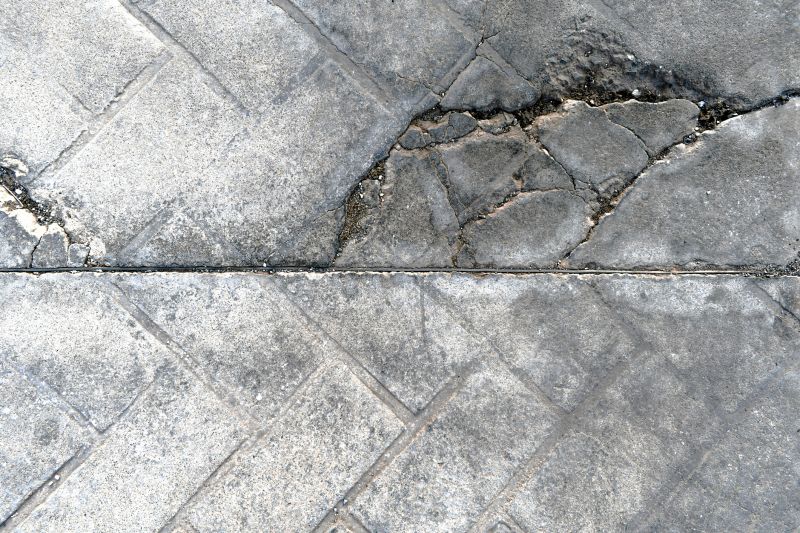
When comparing local contractors for commercial stamped concrete repair, it is important to consider their experience with similar projects. Contractors who have worked extensively with stamped concrete surfaces that face common causes of damage-such as cracking, spalling, or discoloration-are more likely to understand the specific challenges involved. An experienced service provider can better assess the extent of damage, recommend appropriate repair methods, and ensure that the solutions are durable and effective. Gathering information about their past work on comparable surfaces can help determine whether they have the practical knowledge needed to handle the unique aspects of commercial stamped concrete.
Clear written expectations are essential when evaluating potential service providers. A reputable contractor should be able to provide a detailed scope of work that outlines the repair process, materials to be used, and the projected outcomes. This transparency helps prevent misunderstandings and ensures that both parties have aligned goals. It also allows homeowners to compare proposals more accurately, making it easier to identify which local contractors are prepared to address the specific issues caused by common forms of damage in stamped concrete surfaces. Well-defined expectations contribute to smoother project execution and greater confidence in the repair process.
Good communication and reputable references are key factors when selecting a service provider. Contractors who are responsive and willing to answer questions demonstrate professionalism and a commitment to client satisfaction. Additionally, references from previous clients who have had similar repair work performed can provide insights into the contractor’s reliability and quality of work. Confirming that a local contractor has a history of successful projects dealing with common causes of damage in commercial stamped concrete surfaces can help ensure that the chosen professional is capable of delivering results that meet expectations. These elements collectively support making an informed decision when choosing a partner for concrete repair needs.
Property owners often search for common causes of damage in commercial stamped concrete surfaces when they are planning practical projects around their homes and businesses. Local pros provide Commercial Stamped Concrete Repair services for everyday jobs and straightforward project options.
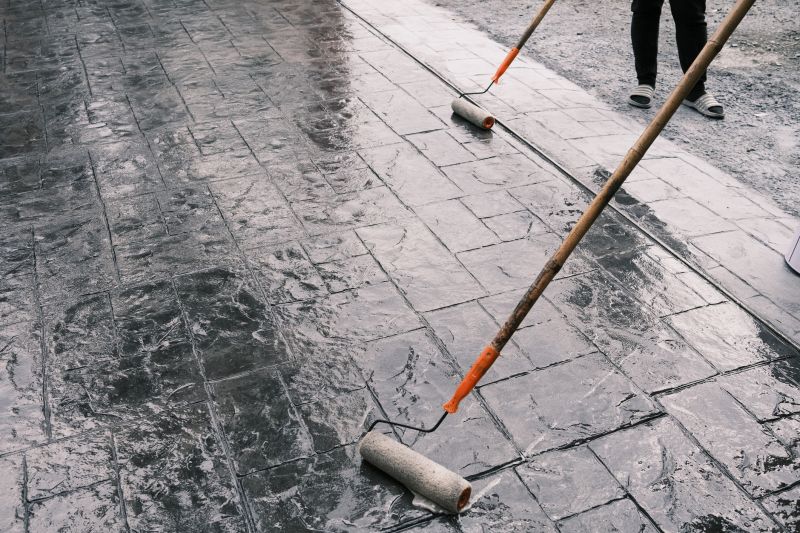
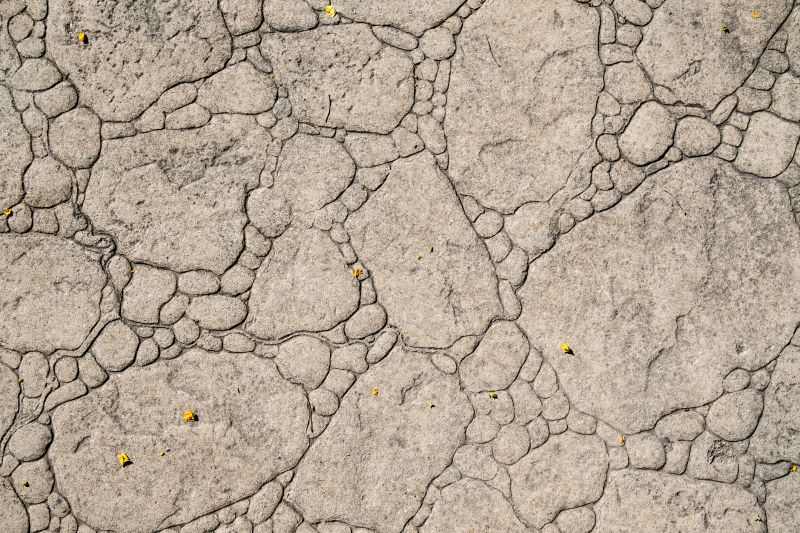
Understanding the common causes of damage in commercial stamped concrete surfaces can help property owners prevent costly repairs down the line. Everyday situations such as exposure to harsh weather conditions, including freeze-thaw cycles or heavy rain, can weaken the surface over time. Additionally, improper installation or inadequate surface preparation may lead to cracking or uneven wear. Heavy foot traffic or the use of sharp or heavy objects can also cause surface chipping or surface deterioration, especially in high-traffic commercial areas.
Many property owners seek out commercial stamped concrete repair services after noticing signs of damage like cracks, surface spalling, or discoloration. These issues often result from common causes such as moisture infiltration, which can undermine the concrete’s integrity, or from heavy loads that exceed the surface’s capacity. Local contractors experienced in stamped concrete repair can assess the damage, identify the underlying causes, and provide effective solutions to restore the surface’s appearance and durability.
What are common causes of damage in commercial stamped concrete surfaces? Factors such as heavy traffic, improper installation, exposure to harsh weather, and chemical spills often lead to damage in stamped concrete surfaces. Local contractors experienced in stamped concrete repair can assess and address these issues effectively.
How does weather contribute to damage in stamped concrete? Extreme temperatures, freeze-thaw cycles, and prolonged moisture exposure can cause cracking and surface deterioration. Local service providers can recommend protective measures and perform repairs to restore the surface’s integrity.
Can chemical spills cause damage to stamped concrete surfaces? Yes, substances like oils, acids, and de-icing salts can stain or degrade the surface. Professional repair services can remove stains and repair surface damage caused by chemical exposure.
What role does improper installation play in damaging stamped concrete? Incorrect mixing, curing, or finishing can lead to weak spots, cracking, and surface failure. Local pros can identify installation issues and perform necessary repairs to prevent further damage.
How do heavy loads impact stamped concrete surfaces? Excessive weight from vehicles or equipment can cause cracking and surface deformation. Skilled contractors can repair and reinforce damaged areas to extend the lifespan of the stamped concrete.
Heavy vehicle traffic - Frequent use of heavy machinery or vehicles can cause surface stress and cracking, so property owners should work with local contractors to evaluate load limits and reinforce areas prone to damage.
Exposure to harsh weather - Extreme temperature fluctuations and moisture can lead to surface deterioration; consulting local pros can help implement protective sealing and proper drainage solutions.
Improper installation techniques - Poor surface preparation or incorrect stamping methods can weaken concrete; hiring experienced local contractors ensures proper installation to prevent early damage.
Chemical spills and staining - Exposure to chemicals or oil can stain or degrade stamped concrete; local service providers can recommend sealing and cleaning practices to maintain surface integrity.
If you are thinking about common causes of damage in commercial stamped concrete surfaces for a property, this guide is meant to help you understand this topic, the typical project types, and how different options might fit your plans.
When you are ready, you can use the quote form on this page to share a few details about your project. From there, local pros can review the basics and follow up with options that match what you have in mind.